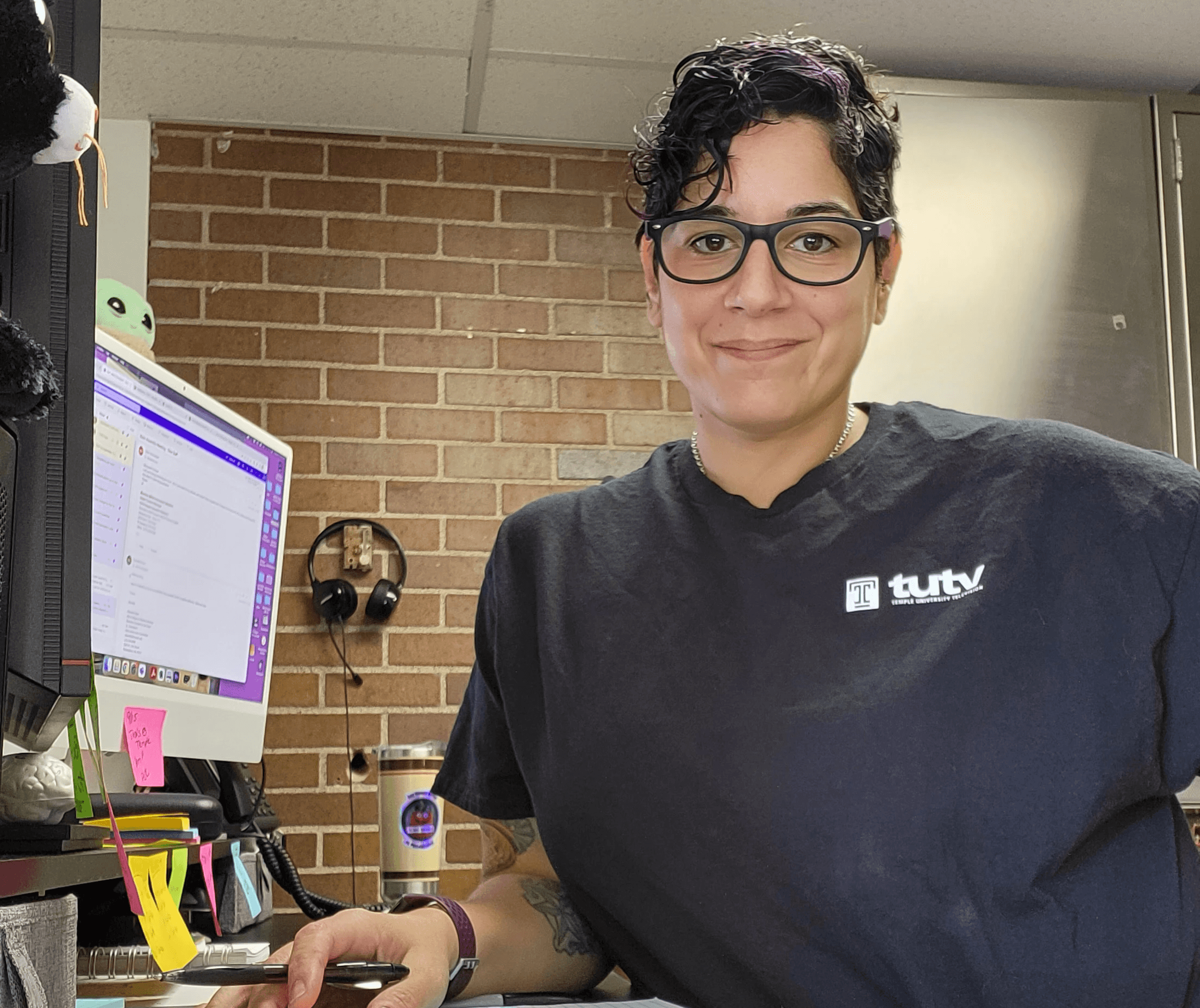
Guest Contributor As Penelope Mazzetti
Writing and/or speaking under the pen name Penelope Mazzetti, I tell stories drawn from the many experiences, people, places, and peculiar turns of life that have shaped me—including my experiences with eating disorder recovery, anti-fat bias, trauma survival, and being diagnosed with neurodivergence later in life. Alongside the difficult and deeply personal, I write about the strange, hilarious, and occasionally unbelievable adventures that make up a life. My work is honest without taking itself too seriously. Some stories are tender. Some are difficult. Some are hilarious. Most are a little bit of all three
Dopamine, Not Discipline: The ADHD–Eating Disorder Link I Was Missing
Published by ADDitude Magazine: ADHD Science & Strategies on June 16, 2026
"As ADHD brains like mine are chronically low in dopamine — which we all need for motivation, pleasure, and focus — we are wired to seek stimulation. And food just happens to be fast, legal, and always available."
Growing up, food was never neutral. It was moralized, restricted, praised, shamed, and sometimes used as punishment long before I had words for it. By age 8, I was already trapped in a restrict-binge cycle. My family had long told me I wasn’t allowed to have food that would “make me fat.” So I resorted to hiding sweets and sneaking foods in an act of rebellion.
I felt out of control around certain foods and completely uninterested in others. I chased diets, lost and gained hundreds of pounds, and eventually landed in eating disorder treatment as an adult for atypical anorexia and binge-eating disorder. (I can’t be classically diagnosed with anorexia because I live in a large body, even when I am in a calorie deficit)
Convinced I was the problem, I blamed myself for what I now understand was my nervous system desperately trying to regulate itself.
Chasing Dopamine
One day in eating disorder treatment, a clinician noticed that I was adding chips to the inside of my sandwich, something I had been doing for as long as I could remember. When she asked me why I did that, my response was simple: “I like my food to crunch.”
But I didn’t just like the crunch. I needed it. Chips. Crackers. Extra crunchy bacon. Anything with resistance. Anything loud. Anything that gave my brain a sharp sensory hit.
The truth is that crunchy things ground me. The crunch focuses me and cuts through the constant chitchat in my brain in a way soft foods never could.
That’s when it clicked. For the first time, I began to see that my eating behaviors weren’t just about taste or hunger. My “out-of-control eating” wasn’t an issue of willpower; it was partly sensory-seeking behavior, a well-documented ADHD trait.
My Eating Disorder Is About More Than Food
People with ADHD are significantly more likely to develop eating disorders, especially binge eating disorder and anorexia. Dopamine is thought to play a role in that connection. As ADHD brains like mine are chronically low in dopamine — which we all need for motivation, pleasure, and focus — we are wired to seek stimulation. And food just happens to be fast, legal, and always available.
ADHD symptoms explain much more than the sensory-seeking aspect of my eating behaviors. Hyperfocus means I can forget to eat for extended periods. Poor interoceptive awareness means I can’t reliably feel hunger or fullness. Emotional dysregulation means feelings hit hard and fast, and food becomes the farthest thing from my mind.
So it’s not that I lack self-control. I’m chasing dopamine. And I realized that recovery from disordered eating is going to be so much harder for me and my neurospicy brain.
In treatment, I also learned that my eating disorder had very little to do with food and everything to do with coping. Control, dopamine, sensory input, grief, trauma; my brain needed more support than it was ever given.
Traditional eating disorder advice assumes a neurotypical brain: Just eat regularly and plan ahead. Listen to your body. But for someone with ADHD, this advice feels impossible. I know, as I spent decades believing I was failing my body. Shame rushes in when we fail to follow through, which only adds fuel to the eating disorder.
Recovery That Honors My Brain
Recovery, for me, doesn’t come from rigid meal plans or white-knuckling urges. It comes from understanding my ADHD and working with it instead of against it. It comes from building structures without punishment, allowing sensory accommodations without shame, and learning that “healthy” does not always equal small.
If you have ADHD and struggle with food, you are not broken. You are not weak. You are not doing recovery wrong. You are neurodivergent in a world (and in a treatment system) that still doesn’t fully understand how our brains work.
Understanding the connection between ADHD and eating disorders didn’t erase my past, but it gave me language and a framework for my brain and body that finally allowed me to begin healing.
Live Storytelling & Podcast Feature
On July 31, 2026, I performed the seven-minute version of my “Truancy in the UK” story live in front of an audience as part of The Stoop Storytelling Series, a Baltimore-based live storytelling show known for intimate, true stories that are weird, wonderful, hilarious, and heartbreaking.
The performance was recorded, and on September 7, 2026, the audio was featured on WYPR’s The Stoop Storytelling Series podcast in an episode titled “Cheerio, Love,” alongside fellow storyteller Melissa Sharlat.
Founded in 2006, The Stoop has brought more than 2,500 storytellers to its stages, sharing the extraordinary true stories of ordinary lives with live audiences and podcast listeners. I’m proud to have my story among them.
Listen to “Cheerio, Love” on WYPR →
Guest Contributor As Penelope Mazzetti
Writing and/or speaking under the pen name Penelope Mazzetti, I tell stories drawn from the many experiences, people, places, and peculiar turns of life that have shaped me—including my experiences with eating disorder recovery, anti-fat bias, trauma survival, and being diagnosed with neurodivergence later in life. Alongside the difficult and deeply personal, I write about the strange, hilarious, and occasionally unbelievable adventures that make up a life. My work is honest without taking itself too seriously. Some stories are tender. Some are difficult. Some are hilarious. Most are a little bit of all three
Dopamine, Not Discipline: The ADHD–Eating Disorder Link I Was Missing
Published by ADDitude Magazine: ADHD Science & Strategies on June 16, 2026
"As ADHD brains like mine are chronically low in dopamine — which we all need for motivation, pleasure, and focus — we are wired to seek stimulation. And food just happens to be fast, legal, and always available."
Growing up, food was never neutral. It was moralized, restricted, praised, shamed, and sometimes used as punishment long before I had words for it. By age 8, I was already trapped in a restrict-binge cycle. My family had long told me I wasn’t allowed to have food that would “make me fat.” So I resorted to hiding sweets and sneaking foods in an act of rebellion.
I felt out of control around certain foods and completely uninterested in others. I chased diets, lost and gained hundreds of pounds, and eventually landed in eating disorder treatment as an adult for atypical anorexia and binge-eating disorder. (I can’t be classically diagnosed with anorexia because I live in a large body, even when I am in a calorie deficit)
Convinced I was the problem, I blamed myself for what I now understand was my nervous system desperately trying to regulate itself.
Chasing Dopamine
One day in eating disorder treatment, a clinician noticed that I was adding chips to the inside of my sandwich, something I had been doing for as long as I could remember. When she asked me why I did that, my response was simple: “I like my food to crunch.”
But I didn’t just like the crunch. I needed it. Chips. Crackers. Extra crunchy bacon. Anything with resistance. Anything loud. Anything that gave my brain a sharp sensory hit.
The truth is that crunchy things ground me. The crunch focuses me and cuts through the constant chitchat in my brain in a way soft foods never could.
That’s when it clicked. For the first time, I began to see that my eating behaviors weren’t just about taste or hunger. My “out-of-control eating” wasn’t an issue of willpower; it was partly sensory-seeking behavior, a well-documented ADHD trait.
My Eating Disorder Is About More Than Food
People with ADHD are significantly more likely to develop eating disorders, especially binge eating disorder and anorexia. Dopamine is thought to play a role in that connection. As ADHD brains like mine are chronically low in dopamine — which we all need for motivation, pleasure, and focus — we are wired to seek stimulation. And food just happens to be fast, legal, and always available.
ADHD symptoms explain much more than the sensory-seeking aspect of my eating behaviors. Hyperfocus means I can forget to eat for extended periods. Poor interoceptive awareness means I can’t reliably feel hunger or fullness. Emotional dysregulation means feelings hit hard and fast, and food becomes the farthest thing from my mind.
So it’s not that I lack self-control. I’m chasing dopamine. And I realized that recovery from disordered eating is going to be so much harder for me and my neurospicy brain.
In treatment, I also learned that my eating disorder had very little to do with food and everything to do with coping. Control, dopamine, sensory input, grief, trauma; my brain needed more support than it was ever given.
Traditional eating disorder advice assumes a neurotypical brain: Just eat regularly and plan ahead. Listen to your body. But for someone with ADHD, this advice feels impossible. I know, as I spent decades believing I was failing my body. Shame rushes in when we fail to follow through, which only adds fuel to the eating disorder.
Recovery That Honors My Brain
Recovery, for me, doesn’t come from rigid meal plans or white-knuckling urges. It comes from understanding my ADHD and working with it instead of against it. It comes from building structures without punishment, allowing sensory accommodations without shame, and learning that “healthy” does not always equal small.
If you have ADHD and struggle with food, you are not broken. You are not weak. You are not doing recovery wrong. You are neurodivergent in a world (and in a treatment system) that still doesn’t fully understand how our brains work.
Understanding the connection between ADHD and eating disorders didn’t erase my past, but it gave me language and a framework for my brain and body that finally allowed me to begin healing.
Live Storytelling & Podcast Feature
On July 31, 2026, I performed the seven-minute version of my “Truancy in the UK” story live in front of an audience as part of The Stoop Storytelling Series, a Baltimore-based live storytelling show known for intimate, true stories that are weird, wonderful, hilarious, and heartbreaking.
The performance was recorded, and on September 7, 2026, the audio was featured on WYPR’s The Stoop Storytelling Series podcast in an episode titled “Cheerio, Love,” alongside fellow storyteller Melissa Sharlat.
Founded in 2006, The Stoop has brought more than 2,500 storytellers to its stages, sharing the extraordinary true stories of ordinary lives with live audiences and podcast listeners. I’m proud to have my story among them.
Listen to “Cheerio, Love” on WYPR →
Guest Contributor As Penelope Mazzetti
Writing and/or speaking under the pen name Penelope Mazzetti, I tell stories drawn from the many experiences, people, places, and peculiar turns of life that have shaped me—including my experiences with eating disorder recovery, anti-fat bias, trauma survival, and being diagnosed with neurodivergence later in life. Alongside the difficult and deeply personal, I write about the strange, hilarious, and occasionally unbelievable adventures that make up a life. My work is honest without taking itself too seriously. Some stories are tender. Some are difficult. Some are hilarious. Most are a little bit of all three
Dopamine, Not Discipline: The ADHD–Eating Disorder Link I Was Missing
Published by ADDitude Magazine: ADHD Science & Strategies on June 16, 2026
"As ADHD brains like mine are chronically low in dopamine — which we all need for motivation, pleasure, and focus — we are wired to seek stimulation. And food just happens to be fast, legal, and always available."
Growing up, food was never neutral. It was moralized, restricted, praised, shamed, and sometimes used as punishment long before I had words for it. By age 8, I was already trapped in a restrict-binge cycle. My family had long told me I wasn’t allowed to have food that would “make me fat.” So I resorted to hiding sweets and sneaking foods in an act of rebellion.
I felt out of control around certain foods and completely uninterested in others. I chased diets, lost and gained hundreds of pounds, and eventually landed in eating disorder treatment as an adult for atypical anorexia and binge-eating disorder. (I can’t be classically diagnosed with anorexia because I live in a large body, even when I am in a calorie deficit)
Convinced I was the problem, I blamed myself for what I now understand was my nervous system desperately trying to regulate itself.
Chasing Dopamine
One day in eating disorder treatment, a clinician noticed that I was adding chips to the inside of my sandwich, something I had been doing for as long as I could remember. When she asked me why I did that, my response was simple: “I like my food to crunch.”
But I didn’t just like the crunch. I needed it. Chips. Crackers. Extra crunchy bacon. Anything with resistance. Anything loud. Anything that gave my brain a sharp sensory hit.
The truth is that crunchy things ground me. The crunch focuses me and cuts through the constant chitchat in my brain in a way soft foods never could.
That’s when it clicked. For the first time, I began to see that my eating behaviors weren’t just about taste or hunger. My “out-of-control eating” wasn’t an issue of willpower; it was partly sensory-seeking behavior, a well-documented ADHD trait.
My Eating Disorder Is About More Than Food
People with ADHD are significantly more likely to develop eating disorders, especially binge eating disorder and anorexia. Dopamine is thought to play a role in that connection. As ADHD brains like mine are chronically low in dopamine — which we all need for motivation, pleasure, and focus — we are wired to seek stimulation. And food just happens to be fast, legal, and always available.
ADHD symptoms explain much more than the sensory-seeking aspect of my eating behaviors. Hyperfocus means I can forget to eat for extended periods. Poor interoceptive awareness means I can’t reliably feel hunger or fullness. Emotional dysregulation means feelings hit hard and fast, and food becomes the farthest thing from my mind.
So it’s not that I lack self-control. I’m chasing dopamine. And I realized that recovery from disordered eating is going to be so much harder for me and my neurospicy brain.
In treatment, I also learned that my eating disorder had very little to do with food and everything to do with coping. Control, dopamine, sensory input, grief, trauma; my brain needed more support than it was ever given.
Traditional eating disorder advice assumes a neurotypical brain: Just eat regularly and plan ahead. Listen to your body. But for someone with ADHD, this advice feels impossible. I know, as I spent decades believing I was failing my body. Shame rushes in when we fail to follow through, which only adds fuel to the eating disorder.
Recovery That Honors My Brain
Recovery, for me, doesn’t come from rigid meal plans or white-knuckling urges. It comes from understanding my ADHD and working with it instead of against it. It comes from building structures without punishment, allowing sensory accommodations without shame, and learning that “healthy” does not always equal small.
If you have ADHD and struggle with food, you are not broken. You are not weak. You are not doing recovery wrong. You are neurodivergent in a world (and in a treatment system) that still doesn’t fully understand how our brains work.
Understanding the connection between ADHD and eating disorders didn’t erase my past, but it gave me language and a framework for my brain and body that finally allowed me to begin healing.
Live Storytelling & Podcast Feature
On July 31, 2026, I performed the seven-minute version of my “Truancy in the UK” story live in front of an audience as part of The Stoop Storytelling Series, a Baltimore-based live storytelling show known for intimate, true stories that are weird, wonderful, hilarious, and heartbreaking.
The performance was recorded, and on September 7, 2026, the audio was featured on WYPR’s The Stoop Storytelling Series podcast in an episode titled “Cheerio, Love,” alongside fellow storyteller Melissa Sharlat.
Founded in 2006, The Stoop has brought more than 2,500 storytellers to its stages, sharing the extraordinary true stories of ordinary lives with live audiences and podcast listeners. I’m proud to have my story among them.